
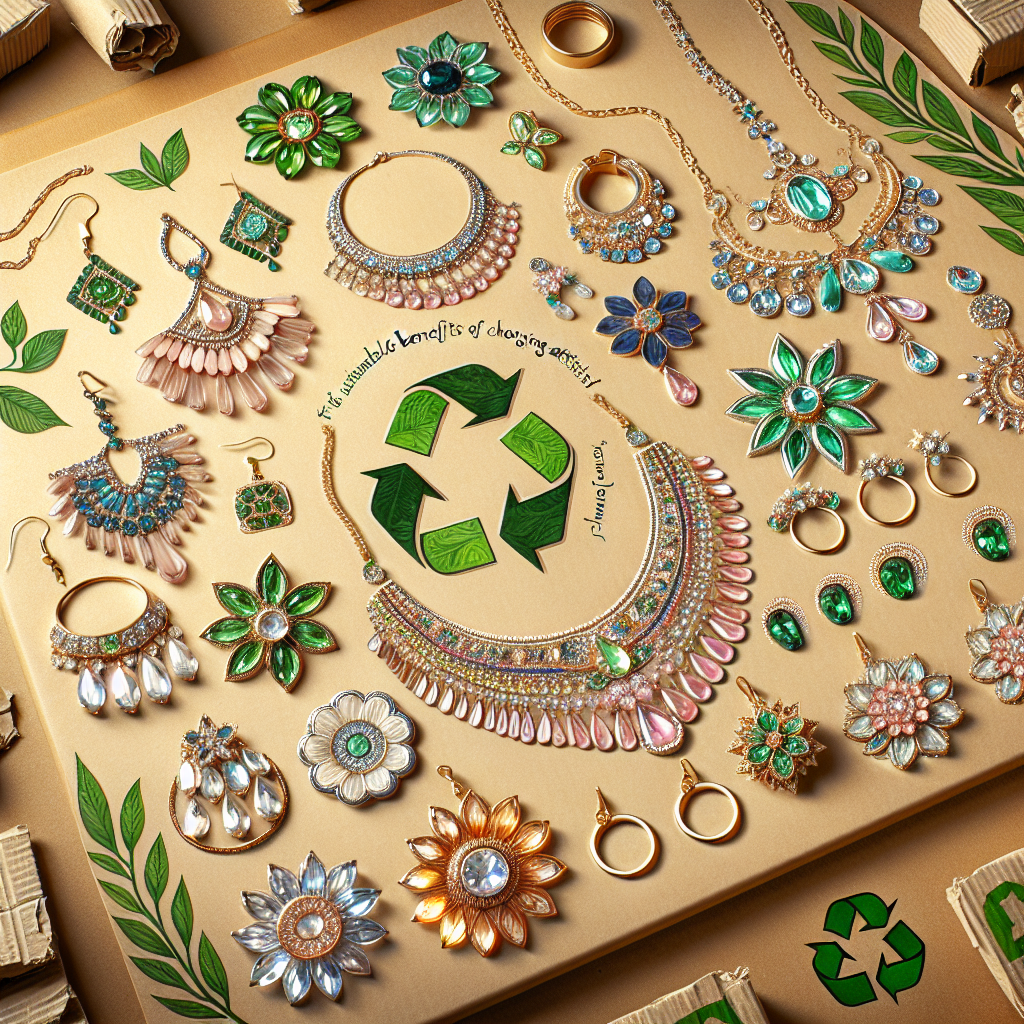
In an era where sustainability is at the forefront of consumer consciousness, the jewelry industry is witnessing a significant shift. As more individuals seek eco-friendly options, artificial jewelry has emerged as a compelling alternative to traditional, mined gems and precious metals. This article explores the sustainable benefits of choosing artificial jewelry, highlighting its elegance and environmental advantages.
1. Eco-Conscious Materials
Artificial jewelry, often crafted from lab-grown stones and recycled metals, aligns perfectly with eco-conscious sentiments. Unlike mined gemstones, which require extensive land disruption, water usage, and result in deforestation, lab-created alternatives have a significantly reduced ecological footprint. These synthetic stones, such as lab-created diamonds, sapphires, and emeralds, offer the same beauty and durability as their natural counterparts but without the environmental cost.
2. Ethical Sourcing
The issue of ethical sourcing is paramount in the jewelry industry. Many natural gemstones are associated with child labor, unsafe working conditions, and financing conflicts. Conversely, artificial jewelry is produced in controlled environments where labor practices adhere to ethical standards. By choosing synthetic options, consumers can support fair labor practices and promote a more humane industry.
3. Economic Accessibility
Artificial jewelry typically comes with a lower price tag compared to mined gems. This affordability allows consumers to access exquisite pieces without compromising their values. Whether it’s for personal adornment or gifting, artificial jewelry offers a blend of quality and elegance at a fraction of the cost, making it an attractive choice for budget-conscious shoppers.
4. Diverse Design Possibilities
One of the most exciting aspects of artificial jewelry is the diversity in design it allows. The manufacturing process permits greater flexibility and creativity, enabling artisans to create intricate and innovative designs that may not be feasible with traditional materials. With a vast array of colors, styles, and sizes, consumers can find or customize pieces that reflect their unique tastes without harming the environment.
5. Longevity and Durability
Artificial jewelry often boasts enhanced durability. Lab-created stones are chemically identical to natural gems, offering the same hardness and resistance to wear and tear. This longevity means that jewelry made from artificial materials can last for generations, reducing the need for replacements and minimizing waste.
6. Reduced Carbon Footprint
The environmental impact of mining is substantial, contributing to carbon emissions and habitat destruction. On the other hand, the production of synthetic stones generally has a lower carbon footprint. With advancements in technology, the energy required to create these gems is steadily decreasing, making artificial jewelry an increasingly sustainable choice.
7. Supporting Sustainable Brands
A growing number of companies are dedicated to sustainability, utilizing eco-friendly practices in their production processes. By choosing artificial jewelry, consumers can support brands that prioritize environmental stewardship. Many of these brands are committed to transparency, providing consumers with insight into their sourcing methods and sustainability efforts.
Conclusion
Choosing artificial jewelry is not just a fashion statement; it’s a commitment to a sustainable future. With its eco-conscious materials, ethical sourcing, affordability, diverse designs, and reduced carbon footprint, artificial jewelry represents a harmonious blend of elegance and environmental responsibility. As the demand for sustainable options rises, embracing artificial jewelry is a step toward making choices that benefit both beautiful adornments and our planet. The next time you seek to enhance your collection or find the perfect gift, consider the eco-friendly elegance of artificial jewelry — a choice that sparkles with both style and integrity.
