
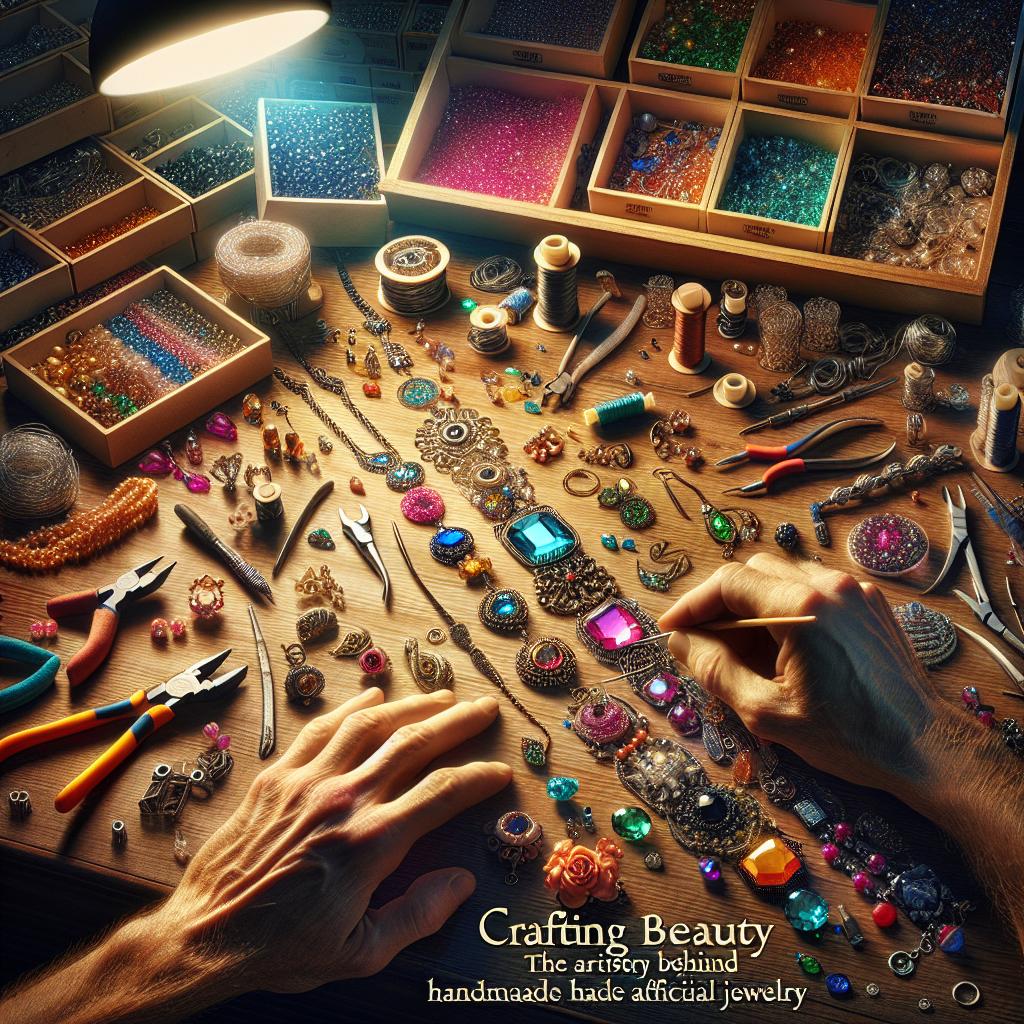
In a world increasingly dominated by mass production and rapid fashion cycles, the allure of handmade artificial jewelry shines as a beacon of creativity and individuality. Each piece carries a unique story, reflecting the artistry and passion of its creator. This article delves into the intricate world of handmade artificial jewelry, exploring its artistic significance and the craftsmanship that sets it apart.
The Rise of Handmade Jewelry
The resurgence of interest in handmade artificial jewelry can be attributed to a growing desire for unique, sustainable alternatives to traditional jewelry. Unlike factory-produced pieces that often lack a personal touch, handcrafted jewelry tells a story. Each item is imbued with the artisan’s vision, skill, and emotion, often inspired by nature, culture, or personal experiences.
Craftsmanship: A Labor of Love
Creating handmade jewelry involves a meticulous process that often combines various techniques. Artisans utilize a range of materials, from beads and wires to clay and metals, crafting each piece with precision and care. The journey typically begins with imaginative sketches, transforming concepts into tangible designs.
Techniques and Materials
-
Beading: Artisans string together beads of various shapes, sizes, and materials, creating intricate patterns and textures. The tactile nature of beading allows for personal expression, making each piece distinct.
-
Wire Wrapping: This technique involves bending and twisting wire to encase gemstones or beads. The organic shapes created through wire wrapping lend a whimsical touch to jewelry, allowing for creativity without constraints.
-
Polymer Clay: Artists often sculpt unique shapes and textures using polymer clay, allowing for intricate designs that can replicate other materials like stone or metal.
- Metalwork: For those skilled in metal techniques, crafting rings, bracelets, or pendants necessitates tools for cutting, soldering, and polishing, resulting in stunningly sophisticated pieces.
The Emotional Connection
Handmade artificial jewelry fosters a deeper emotional connection between the artisan and the wearer. While mass-produced items may lack character, handmade pieces resonate on a personal level. Whether it’s a unique gift or a piece that embodies a special memory, these items often carry sentimental value.
Sustainability and Ethical Production
In an era where sustainability is prioritized, handmade jewelry offers an eco-friendly alternative. Many artisans source their materials from recycled or ethically sourced components, minimizing environmental impact. This commitment to ethical production further enhances the appeal of handmade jewelry, attracting conscientious consumers who value transparency and sustainability.
Supporting Local Artisans
Purchasing handmade artificial jewelry not only supports individual artisans but also nurtures local economies. By buying directly from creators, consumers contribute to a cycle of creativity, enabling artisans to sustain their craft while fostering community ties. Markets, craft fairs, and online platforms like Etsy provide pathways for artisans to reach wider audiences, bridging the gap between creativity and consumers.
The Future of Handmade Jewelry
As the demand for unique and sustainable fashion continues to grow, the future of handmade artificial jewelry appears bright. Technologies such as 3D printing and online platforms for collaboration are enhancing accessibility for artisans, allowing them to experiment and innovate without limitations.
Conclusion
Handmade artificial jewelry epitomizes the intersection of art, craftsmanship, and sustainability. Each piece tells a story, reflecting the artist’s essence and the care put into its creation. Embracing such individuality is not merely an aesthetic choice; it’s an affirmation of artistry in a world that often prioritizes uniformity. By supporting handmade creations, we not only wear a piece of art but also champion creativity, ethics, and the joy of craftsmanship.
