
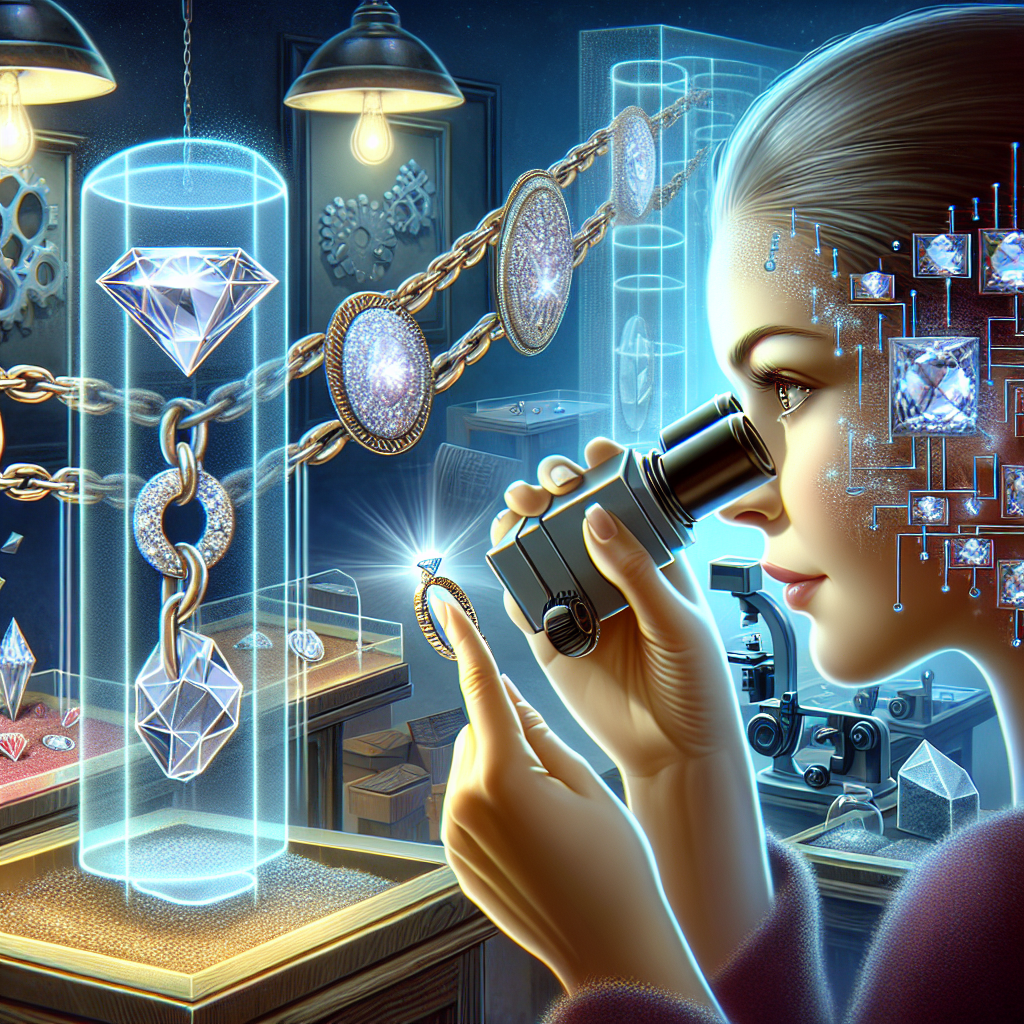
In recent years, technology has revolutionized various industries, and the jewelry sector is no exception. Among the most significant technological advancements impacting this world is blockchain technology. Initially designed to support cryptocurrencies like Bitcoin, blockchain has evolved into a versatile tool that can enhance transparency, traceability, and trust within the jewelry shopping experience.
Understanding Blockchain Technology
At its core, blockchain is a decentralized digital ledger that records transactions across many computers securely and transparently. Each block of information is linked to previous blocks, creating an immutable chain that is resistant to tampering and fraud. This unique feature makes blockchain an ideal solution for industries that require a high level of security and trust, such as jewelry.
Enhancing Transparency and Traceability
Conflict-Free Sourcing
One of the critical issues in the jewelry industry has been the sourcing of materials, particularly diamonds. The term "blood diamonds" refers to gems mined in war zones and sold to finance armed conflict. Blockchain technology allows consumers to trace the lineage of gemstones from the mine to the retail shop. By using blockchain, jewelers can provide certified proof that their diamonds are conflict-free, enhancing consumer trust.
Authenticity Verification
Consumers are often wary of counterfeit items, particularly in high-value purchases such as fine jewelry. Blockchain can serve as a verification tool to authenticate pieces by recording each transaction, certificate, and ownership transfer in a secure digital ledger. When a buyer makes a purchase, they receive a unique digital certificate that serves as irrefutable proof of authenticity, significantly reducing the risk of fraud.
Improving Customer Experience
Personalized Shopping
Blockchain technology can tailor the shopping experience by allowing jewelers to collect and analyze data regarding consumer preferences securely. By understanding purchasing behavior and preferences, jewelers can offer personalized recommendations, exclusive collections, and even customized designs based on verified customer data.
Smart Contracts
Another exciting application of blockchain in jewelry shopping is the use of smart contracts. These self-executing contracts automatically enforce and execute terms written in code. For example, if a customer buys a piece of jewelry, a smart contract can ensure that payment is released to the seller only after the item has been received and verified, offering added security for both buyers and sellers.
Building Trust Through Transparency
Brand Loyalty
Transparency fosters trust, and in an industry where consumer skepticism can significantly affect purchasing decisions, blockchain offers a pathway to build brand loyalty. Jewelry brands that embrace this technology can position themselves as ethical and trustworthy, attracting consumers who value transparency in their purchases.
Consumer Education
As more consumers become educated about blockchain’s benefits, brands can engage in storytelling about their jewelry and sourcing practices. By showcasing their commitment to ethical sourcing and authenticity through blockchain, jewelry brands can differentiate themselves in a competitive market.
Challenges Ahead
Despite its benefits, the adoption of blockchain in the jewelry industry faces challenges. The technology is still relatively new, and many businesses lack the infrastructure to implement it effectively. Additionally, consumer understanding of blockchain remains low, which can hinder widespread acceptance.
Conclusion
Blockchain technology is poised to transform jewelry shopping by enhancing transparency, ensuring authenticity, and improving the overall consumer experience. As jewelers begin to embrace this innovative technology, customers can look forward to a more secure and trustworthy shopping environment. While challenges remain, the potential benefits of blockchain in the jewelry industry are undeniable, promising a future where buying jewelry is not just a transaction, but a transparent and authentic experience.
