
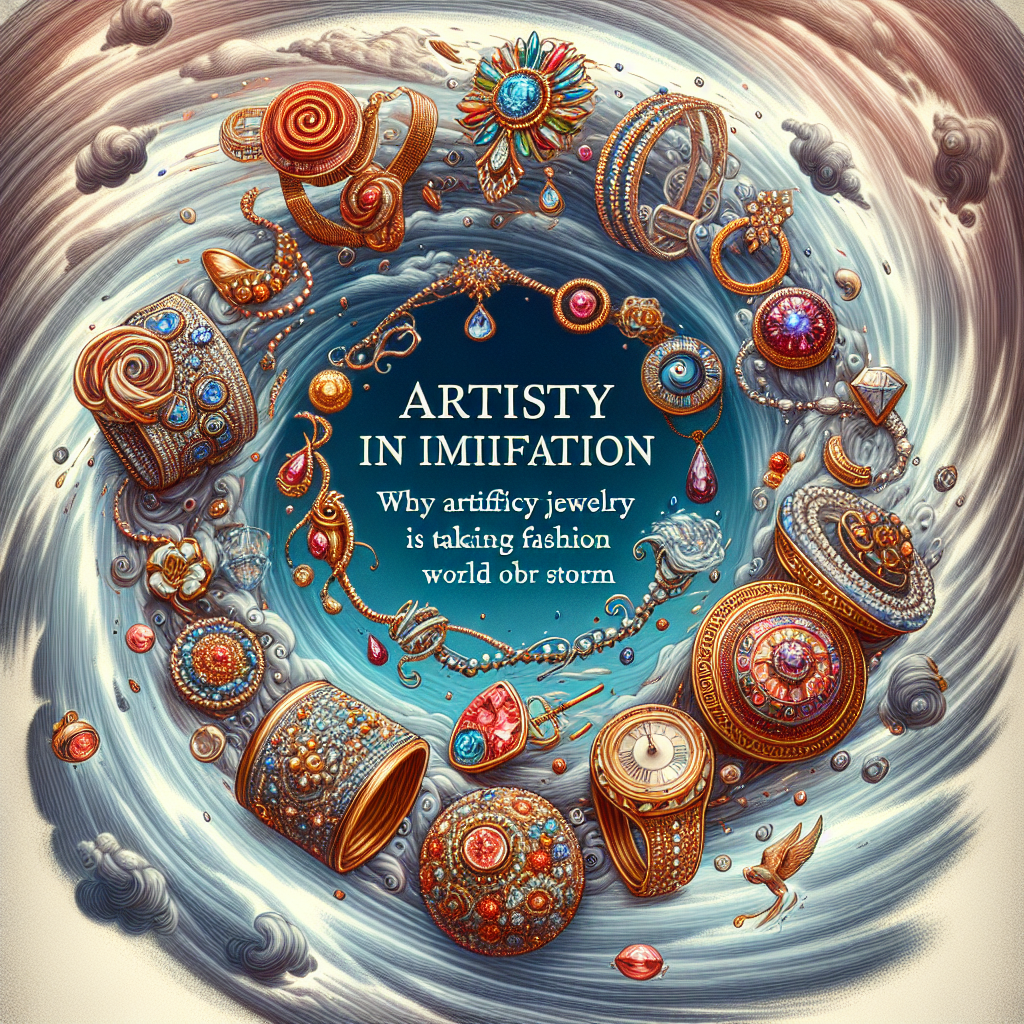
As the fashion industry continues to evolve, a fascinating trend is emerging: artificial jewelry is gaining momentum, captivating consumers and designers alike. This shift is not just about affordability—it’s about artistry, creativity, and a renewed appreciation for craftsmanship. Here’s a closer look at why artificial jewelry is taking the fashion world by storm.
The Allure of Affordability
One of the most compelling reasons for the rise of artificial jewelry is its affordability. With economic uncertainties and changing consumer habits, more people are opting for budget-friendly options. High-quality artificial pieces can replicate the look and feel of fine jewelry without the hefty price tag. This democratization of style allows consumers to experiment with bold designs and trends without the fear of financial commitment.
Creative Freedom and Design Innovation
Artificial jewelry is a playground for creativity. Designers are no longer constrained by the traditions of precious metals and gemstones. The use of synthetic materials, resins, and innovative techniques has given rise to fresh aesthetics and unique styles. Artists can explore unconventional shapes, colors, and textures, resulting in pieces that challenge conventional notions of beauty.
Sustainability Factors
Another significant factor contributing to the rise of artificial jewelry is increased awareness of sustainability. The mining of precious metals and gemstones often wreaks havoc on the environment. In contrast, artificial jewelry allows for more eco-friendly practices. Many designers use recycled materials or lab-created stones, appealing to the environmentally-conscious consumer. This creative approach to sustainability resonates with a growing demographic seeking to make responsible fashion choices.
Celebrity Endorsements and Social Media Influence
The impact of social media on fashion cannot be overstated. Platforms like Instagram and TikTok have become vital for showcasing new trends and styles. Influencers and celebrities often opt for stunning artificial pieces, further popularizing the genre. Their endorsements help to demystify artificial jewelry, presenting it as not just a substitute but a legitimate statement of style.
A Nod to Nostalgia and Vintage Revival
The fashion world is currently enamored with vintage aesthetics, and artificial jewelry plays a crucial role in this trend. Many artificial pieces are designed to mimic historic styles, from Art Deco to bohemian looks. This nostalgia appeals to consumers who wish to capture a bygone era’s charm without paying exorbitant prices.
Customization and Personal Expression
In the era of fast fashion, the desire for individuality is paramount. Artificial jewelry offers consumers the flexibility to express their unique styles through customization. Artists often provide options for personalization, enabling consumers to create one-of-a-kind pieces that reflect their personalities and stories. This personal connection to jewelry fosters an emotional attachment that transcends its value.
Conclusion: The Future of Fashion
The rise of artificial jewelry signifies a broader shift in the fashion industry towards inclusivity, sustainability, and creativity. As consumers increasingly value individuality and authenticity, artificial jewelry stands poised to become a staple in wardrobes around the world. With its affordability, craftsmanship, and innovative design, artificial jewelry is more than just a passing trend—it’s a movement redefining what it means to be fashionable in the modern world.
The artistry in imitation celebrates the ingenuity of design, proving that beauty can thrive in various forms, inviting everyone to adorn themselves in style, regardless of budget or background. As we look to the future, the artistry in artificial jewelry is poised to inspire, evolve, and captivate fashion enthusiasts everywhere.