
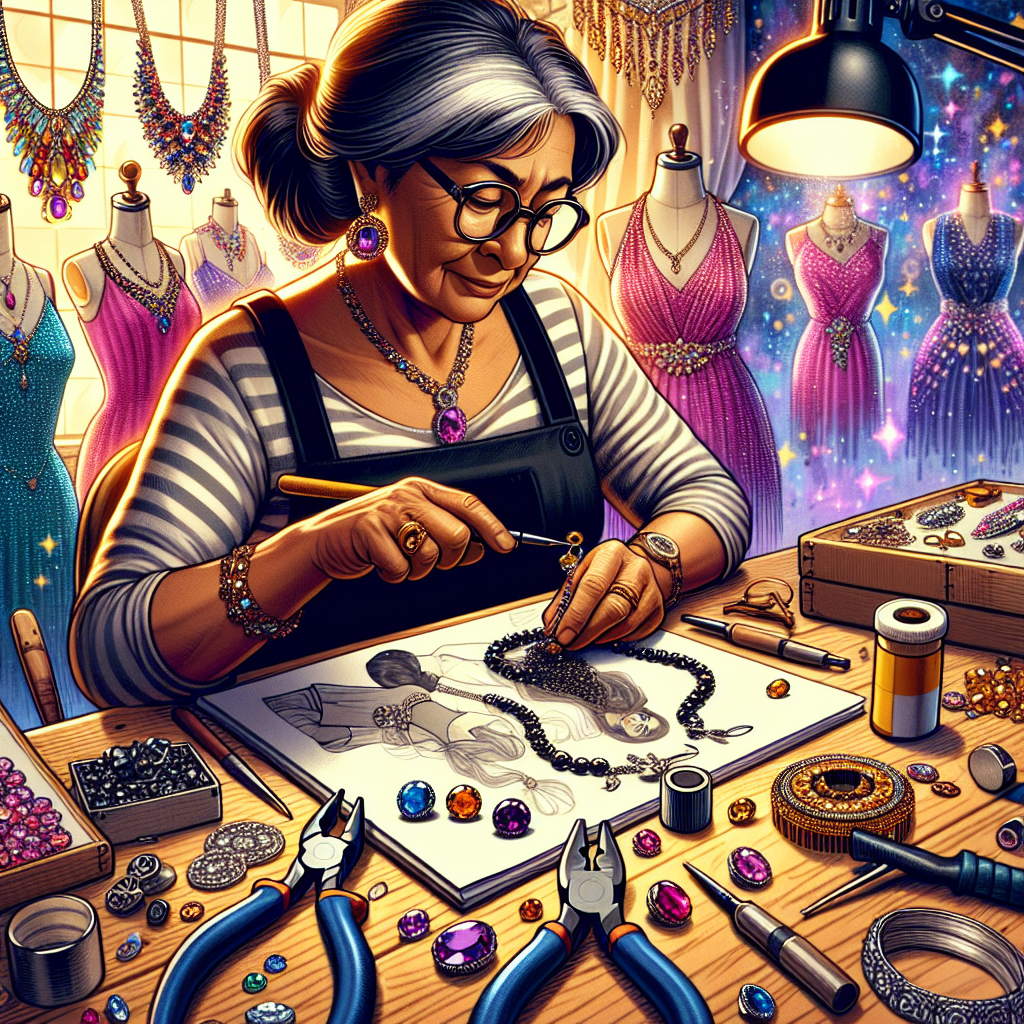
Artificial jewelry, often referred to as costume jewelry, has captivated fashion enthusiasts worldwide with its dazzling designs and accessibility. While it may not boast the value of fine jewelry, the artistry and craftsmanship involved in creating these pieces are no less impressive. This article delves into the materials and techniques that define the vibrant world of artificial jewelry design.
Materials Used in Artificial Jewelry
1. Metals
- Base Metals: Common materials include brass, copper, and aluminum. These metals are lightweight and affordable, making them ideal for fashion-forward designs.
- Alloys: Alloys like nickel silver or stainless steel provide durability and resistance to tarnish, extending the lifespan of the jewelry.
- Plated Metals: Many artificial jewelry pieces are plated with gold or silver to achieve a luxurious finish at a fraction of the cost.
2. Synthetic Gemstones
- Cubic Zirconia (CZ): Widely used as an affordable alternative to diamonds, CZ mimics the brilliance and clarity of real gemstones.
- Resin and Acrylic: These materials can be molded into various shapes and colors, allowing designers to replicate a vast array of gems and create bold, eye-catching pieces.
3. Glass
- Crystal Glass: High-quality glass can be cut and polished to resemble gemstones, offering brilliance and depth.
- Murano and Fused Glass: Unique techniques can create artisanal glass pieces full of color and texture, often used in pendants and earrings.
4. Organic Materials
- Wood and Bone: These materials lend an earthy, natural aesthetic to jewelry. They can be carved or polished to create intricate designs.
- Shells and Pearls: Often used in bohemian styles, these materials add a touch of elegance and a connection to nature.
Techniques in Artificial Jewelry Design
1. Casting
- Lost Wax Casting: This ancient technique involves creating a wax model of the piece, encasing it in a mold, and then melting away the wax to create a cavity for pouring molten metal. This allows for intricate designs that can be mass-produced.
2. Beading
- Stringing and Stitching: Beads made from various materials can be strung together or stitched into elaborate patterns, often seen in bracelets and necklaces. This technique permits endless design possibilities, allowing for creativity in using colors and shapes.
3. Wire Wrapping
- This technique involves manipulating wire to create shapes and hold stones without the need for traditional settings. It’s a popular method for making pendants and earrings that have an artisanal flair.
4. Electroforming
- A process that uses electricity to build metal layers around a non-metallic core, electroforming creates lightweight pieces with a solid metal appearance. This technique is ideal for forming unique shapes, even around delicate materials like leaves or fabric.
5. 3D Printing
- The advent of technology has introduced 3D printing into jewelry design. This allows for precise, complex designs that would be difficult to achieve by hand. Designers can prototype rapidly and create one-of-a-kind pieces tailored to customer requests.
The Design Process
Creating artificial jewelry begins with a concept that evolves through sketches and digital renderings. Designers often experiment with color combinations and materials before finalizing the prototype. Feedback is crucial, so designers may create several versions of a piece prior to launching it for sale.
Collaboration with artisans and skilled craftspeople further elevates the quality and uniqueness of the final product. The interplay between traditional craftsmanship and modern technology is what sets exceptional artificial jewelry apart in the crowded marketplace.
Conclusion
Artificial jewelry thrives on its ability to blend artistic expression with accessible price points, allowing anyone to embrace their style without financial constraints. The careful selection of materials and the innovative techniques used in the design process create stunning pieces that sparkle and shine, captivating hearts and igniting creativity. As the industry evolves, it continues to reflect the ever-changing landscape of fashion, making artificial jewelry an integral aspect of modern accessory design. Whether worn for a special occasion or everyday elegance, the world of artificial jewelry is rich with stories waiting to be told, one sparkling piece at a time.