
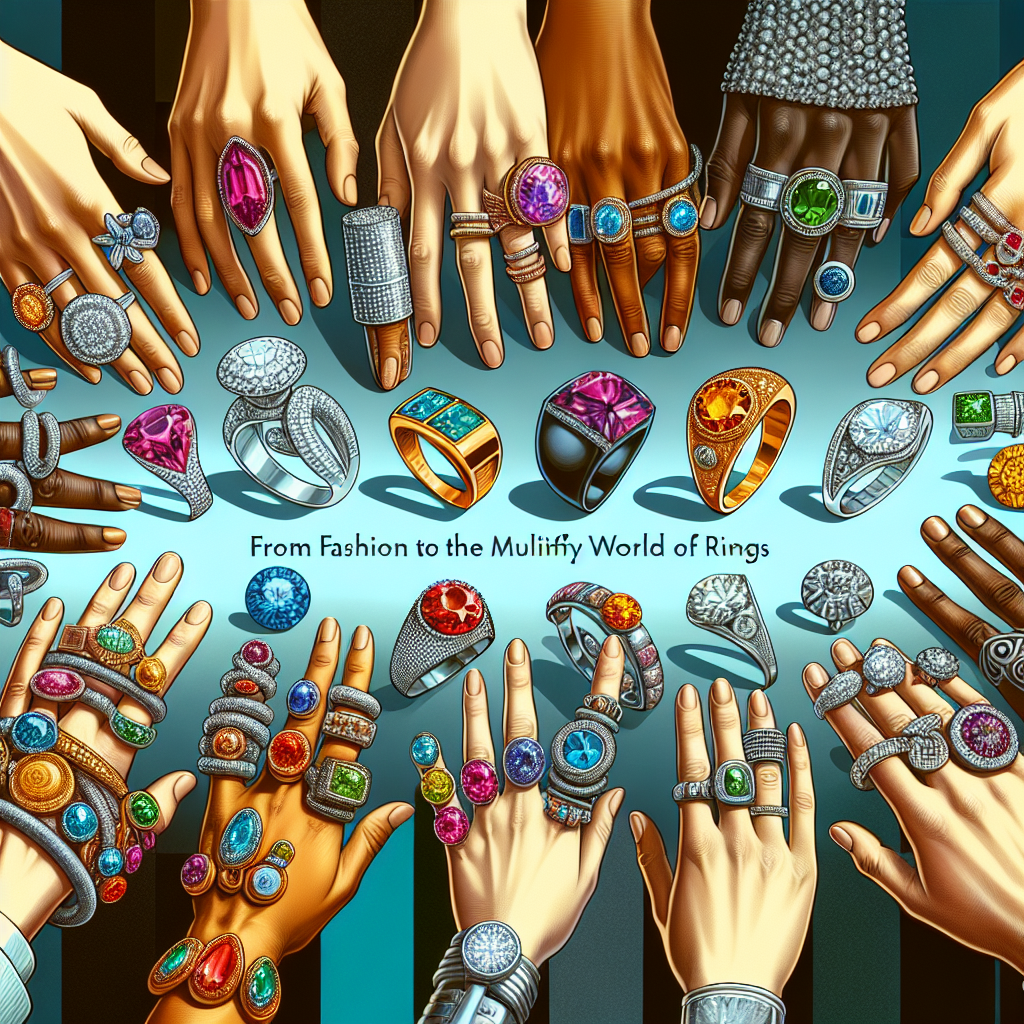
Rings have long held a prominent place in human culture, transcending mere adornment to serve a multitude of purposes. From expressions of personal style to symbols of commitment, these small yet impactful pieces of jewelry have evolved into a diverse array of meanings and functionalities. In this exploration, we unravel the multifaceted world of rings, highlighting their historical significance, modern usage, and the intricate craftsmanship behind them.
A Historical Perspective
The history of rings can be traced back thousands of years, with the earliest examples found in ancient Egypt around 3,000 BCE. Originally crafted from materials like reeds, leather, and bronze, rings were often imbued with spiritual meaning. Egyptians believed that the circular shape symbolized eternity, making rings a fitting emblem for commitments and connections.
By the time the Roman Empire rose, rings became status symbols. Wealthy citizens adorned themselves with elaborate gold and gemstone rings, while signet rings served a practical purpose by sealing documents. The medieval era saw the introduction of rings as wedding symbols, a tradition that continues to this day.
Fashion Statements
In contemporary society, rings have become a key element of fashion. Designers utilize them to create bold statements, incorporating unique materials, intricate designs, and vibrant gemstones. Stackable rings, for example, allow individuals to mix and match styles, showcasing personal expression and individuality. Whether it’s minimalist bands or oversized cocktail rings, the options are endless, with fashion houses continuously pushing the boundaries of creativity.
Symbolism and Sentiment
Beyond aesthetics, rings are deeply embedded in cultural and personal symbolism. Engagement and wedding rings remain the most recognized representations of love and commitment. The act of exchanging rings during ceremonies signifies a bond that transcends the physical realm, often used in religious and cultural contexts.
Rings also serve as markers of milestones, such as graduation rings and family heirlooms. Birthstone rings signify familial connections, linking generations through unique designs and colors. In some cultures, rings are made to signify significant life transitions, such as entering adulthood or achieving personal goals.
The Functional Aspect
While rings are often celebrated for their beauty and symbolism, many are designed with specific functions in mind. Functional rings, such as silicone wedding bands, cater to active lifestyles, providing a comfortable, durable alternative for those in trades or sports. Technology has even found its way into the world of rings, with smart rings designed to monitor health metrics or facilitate communication.
Additionally, some rings have historical functions, such as those used by nobility to hold coats of arms or seals that denoted authority. These multifaceted rings serve to combine practicality with heritage, showing that utility does not have to sacrifice elegance.
Craftsmanship and Innovation
The artistry involved in ring-making is worth celebrating. Skilled artisans and jewelers meticulously craft rings, often employing traditional techniques alongside modern technologies. From intricate hand engravings to the use of 3D printing, the process of creating a ring is a blend of science and creativity.
Moreover, the rise of sustainable practices in jewelry making has led to the use of ethically-sourced materials, fostering a deeper connection between consumers and the products they choose to wear. This newfound conscientiousness contributes to the evolving narrative surrounding rings — from symbols of luxury to emblems of responsible consumerism.
Conclusion
Rings encompass a rich tapestry of history, culture, and design. They symbolize connection, artistry, and personal expression, allowing individuals to communicate their values, beliefs, and emotions through a simple yet profound accessory. As we continue to navigate the complexities of modern life, the multifaceted world of rings will undoubtedly evolve, remaining a constant in both fashion and function. Embracing the beauty and significance of rings allows us to honor their legacy while adapting to the future.