
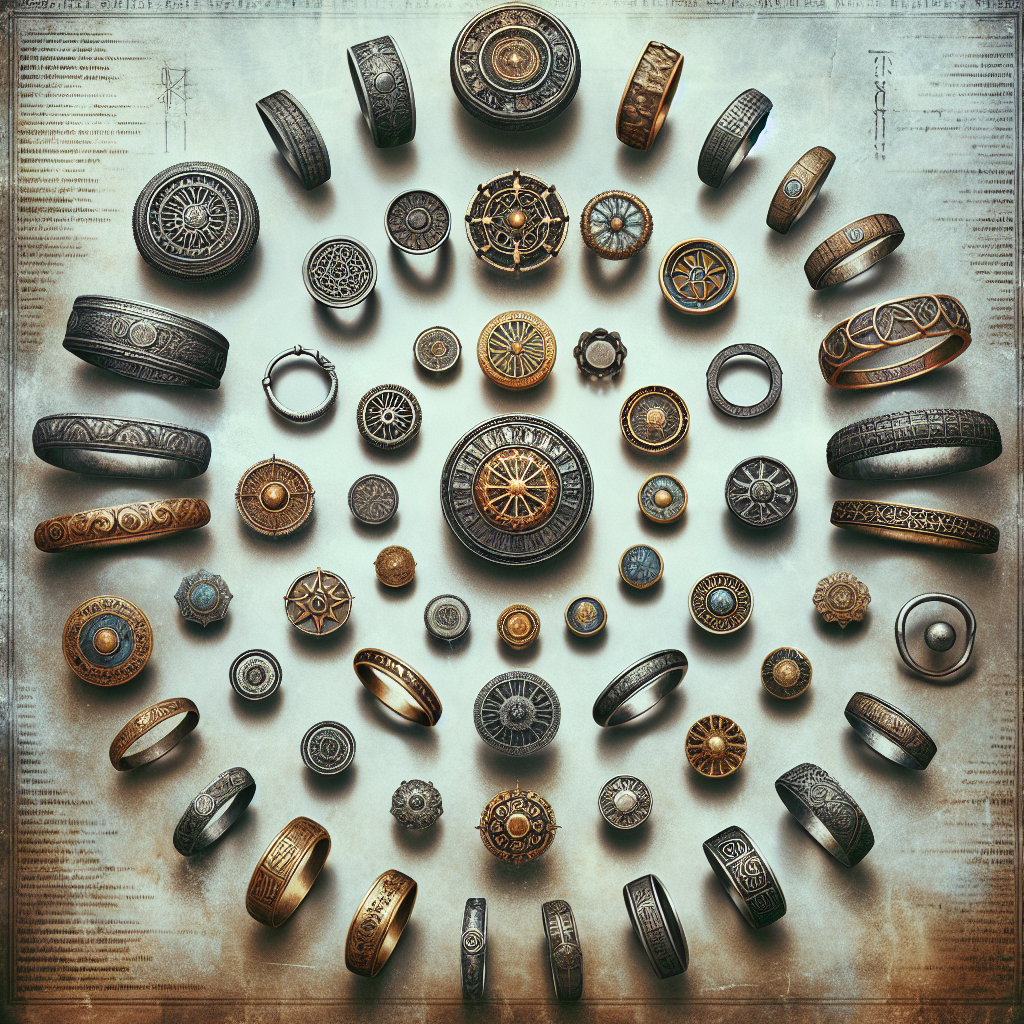
Rings have captivated humanity for centuries, serving as symbols of power, relationship, and legacy. From the exquisite gold band worn during wedding ceremonies to the majestic crowns adorned with jewels in royal courts, they encapsulate stories that transcend time. "Rings of Power," a term that resonates through various cultures and tales, invites us to delve into the rich symbolism behind these iconic circular adornments.
The Circular Symbolism
At the most fundamental level, rings embody eternity. The circle has no beginning or end, representing the infinite cycle of life, love, and commitment. This deep-rooted significance is evident across civilizations, where rings serve as tokens of unbreakable bonds—be it in marriage, friendship, or sovereignty.
The One Ring: Power and Corruption
In J.R.R. Tolkien’s "The Lord of the Rings," the One Ring symbolizes ultimate power and its corrupting nature. Crafted by the Dark Lord Sauron, it represents the desire for control, which ultimately leads to destruction. The notion that power can taint even the noblest of souls serves as a cautionary tale, illustrating the thin line between wielding power and becoming a slave to it.
This theme echoes through history, as many rulers have succumbed to the allure of power, creating empires that often lead to their downfall. The One Ring reminds us that the quest for dominance can lead to the loss of one’s identity and integrity.
The Signet Ring: Authority and Identity
Historically, signet rings have held great significance as symbols of authority. Used to seal documents and verify identity, these rings were emblematic of trust and legitimacy. Rulers and nobles would often wear elaborate signets, adorned with family crests, to assert their lineage and power.
The importance of signet rings in ancient civilizations, such as Egypt and Rome, signifies a connection between personal identity and political authority. They serve as a reminder that power is often tied to one’s heritage and the legacies we leave behind.
The Wedding Ring: Love and Commitment
In stark contrast to the darker elements seen in the One Ring, wedding rings symbolize love, fidelity, and commitment. Crafted often in gold or platinum, these rings have been used in marriage ceremonies for millennia, signifying the unbreakable bond between partners.
The tradition of exchanging wedding rings can be traced back to ancient Egypt, where the circle symbolized eternity and the precious materials represented the wealth and status of the couple. The modern interpretation of wedding rings encompasses not just love but also the promise of shared journeys and mutual support.
The Mood Ring: Emotion and Identity
Emerging in popular culture in the 1970s, mood rings epitomize a different take on symbolism. Unlike traditional rings that signify commitment or authority, mood rings are linked to emotional states, changing colors based on body temperature. This whimsical yet profound relationship between mood and physical states speaks to the evolving nature of personal identity.
The mood ring represents a playful exploration of how we connect our inner selves with our outer expressions. It reflects the idea that identity is fluid and often influenced by emotions, echoing the complexities of human experience.
The Claddagh Ring: Friendship and Loyalty
Originating from Ireland, the Claddagh ring embodies love, loyalty, and friendship. Featuring two hands holding a heart, topped with a crown, it signifies the relationship between partners and friends. Worn in different orientations, the Claddagh ring communicates relationship status—whether you are single, in a relationship, or engaged.
This ring serves as a beautiful reminder of the importance of trust and loyalty in relationships, transcending romantic ties to include deep friendships that stand the test of time.
Conclusion: The Rings That Bind Us
Throughout history, rings have served as potent symbols that encapsulate human experiences, emotions, and aspirations. Whether they represent power, love, identity, or friendship, each ring tells a unique story that reflects the values of its culture and time. As we continue to explore these fascinating artifacts, we are reminded of their enduring significance in our lives—a reminder that the rings we wear can often reflect the weight of our history and the depth of our connections. In the endless cycle of life, rings will continue to symbolize the ties that bind us together, capturing the essence of our shared humanity.