
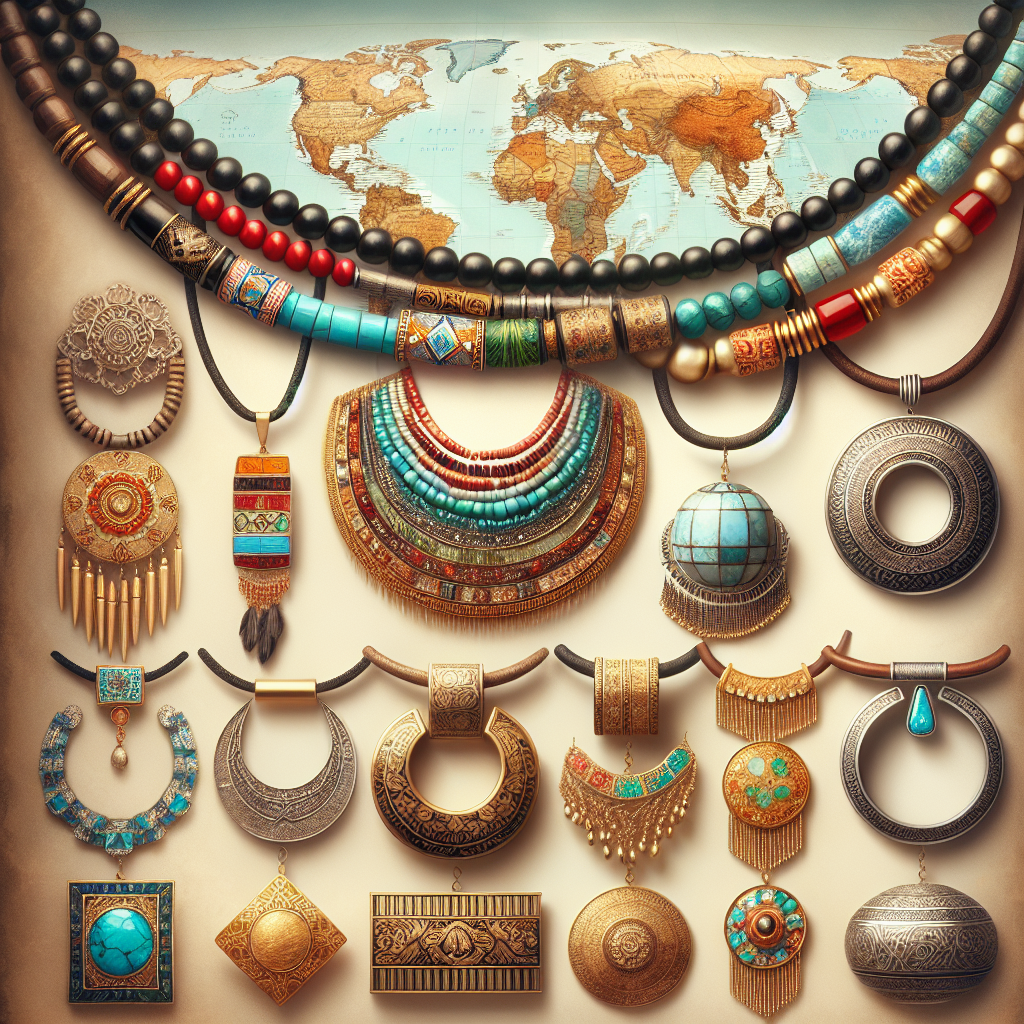
Necklaces have transcended mere adornment; they are imbued with deep cultural significance and symbolism across various societies. From ancient civilizations to contemporary fashion, necklaces serve not only as decorative pieces but also as statements of identity, status, and belief. This article explores the multifaceted roles of necklaces from different cultures around the world.
Historical Context
Throughout history, necklaces have represented power, wealth, and spirituality. In ancient Egypt, for example, the pharaohs adorned themselves with gold necklaces studded with precious stones, which were believed to have protective qualities. Similarly, in many indigenous cultures, necklaces made from materials like shells, bones, or beads were used in rituals, symbolizing tribal affiliation or achievements.
Identity and Heritage
Necklaces often serve as markers of cultural identity. Many societies have traditional necklaces that reflect their unique artistic styles, materials, and techniques. In Native American culture, for instance, beaded necklaces hold significant meaning, with patterns and colors that reflect tribal heritage, stories, and beliefs. This use of necklaces as cultural identifiers can also be seen in the colorful pectoral necklaces worn by Maasai women in East Africa, symbolizing beauty and status within their community.
Spiritual and Religious Symbolism
In many religions, necklaces carry profound spiritual significance. For instance, Christian crucifix necklaces serve as symbols of faith and devotion, while Islamic pendants, such as those featuring the name of Allah, are worn as a sign of belief and protection. Similarly, in Hinduism, necklaces can represent various deities, conveying blessings and divine favor. This spiritual dimension extends to various cultures, wherein necklaces are believed to carry protective or healing properties, often embedded with charms or talismans.
Social Status and Power
Necklaces have long been associated with social status. In various cultures, intricate designs and the use of precious materials signify wealth and nobility. In Europe during the Renaissance, elaborate gemstone necklaces adorned the necks of royalty, serving both aesthetic and political purposes. In contrast, simpler necklaces may denote lower social standings but can still carry deep personal significance, showing the complexity of social identity.
Fashion and Modern Interpretation
In contemporary fashion, necklaces serve as versatile accessories that blend creativity with personal expression. Designers often draw upon historical styles while incorporating modern materials and techniques to create new trends. Popular fashion movements, such as the bohemian style, utilize layered necklaces of varying lengths and materials to express individuality.
Moreover, the rise of the sustainable fashion movement has seen a resurgence in handcrafted necklaces that emphasize local craftsmanship, cultural heritage, and ethical sourcing. Consumers are increasingly interested in the stories behind the pieces they wear, further linking necklaces to identity and personal values.
Conclusion
Necklaces are far more than mere ornaments; they embody the stories, traditions, and beliefs of cultures worldwide. From signifying spiritual beliefs and cultural identity to indicating social status and serving as modern fashion statements, necklaces bridge the past and present, connecting individuals to their heritage while allowing for personal expression. As globalization continues to influence fashion, the cultural significance of necklaces remains a vibrant tapestry, reflective of humanity’s diverse experiences. The humble necklace stands as a testament to the power of adornment in shaping and expressing cultural narratives across the globe.