
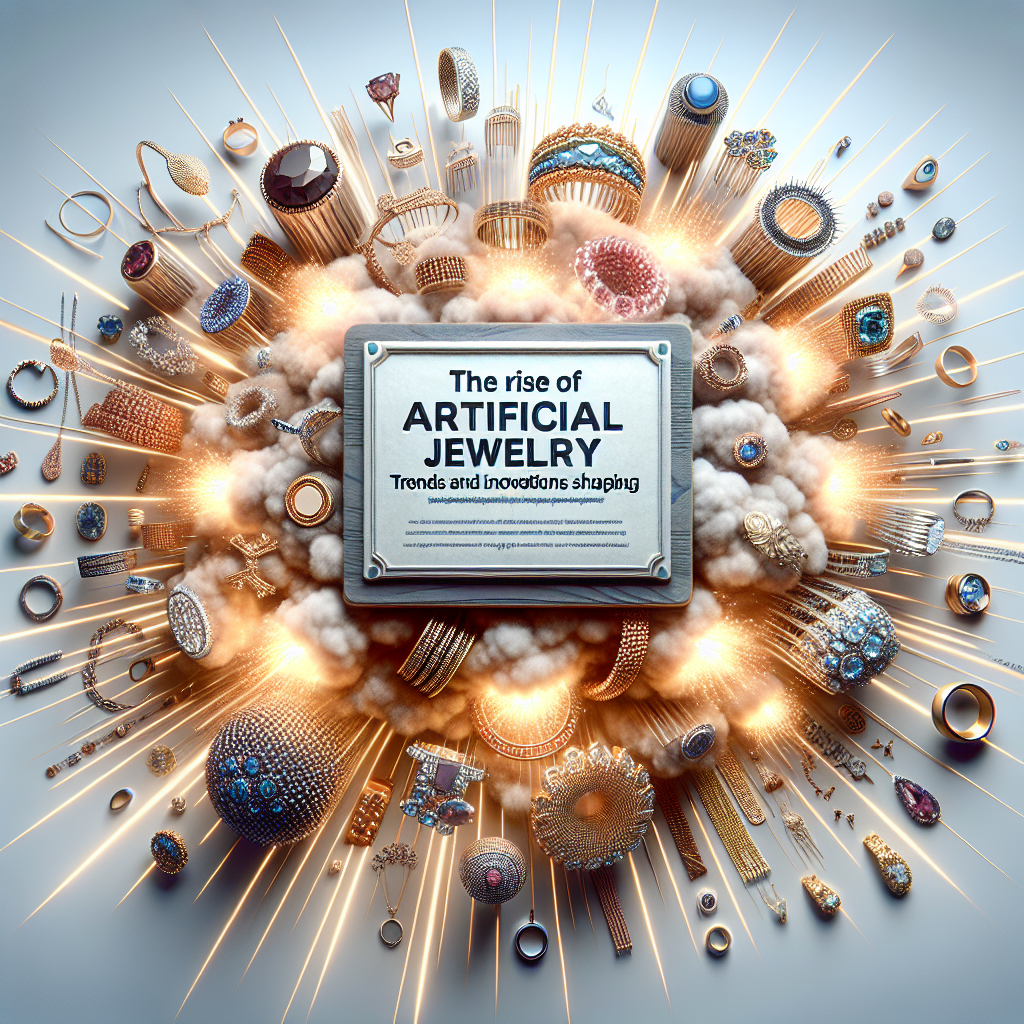
In recent years, artificial jewelry, often referred to as costume or fashion jewelry, has surged in popularity, becoming a staple in both high-fashion circles and everyday accessorizing. This rise can be attributed to several key trends and innovations that reflect changing consumer desires, sustainability concerns, and advances in technology.
Changing Consumer Preferences
Affordable Luxury
As consumers increasingly seek luxury without the corresponding price tag, artificial jewelry has stepped in to fill this gap. The affordability of costume jewelry allows individuals to experiment with different styles without a significant financial commitment. This trend is particularly popular among younger generations, who prioritize variety and individuality in their fashion choices.
Fashion Versatility
Artificial jewelry offers limitless opportunities for self-expression. Designers craft pieces ranging from whimsical and bold to minimalist and classic. With constantly shifting fashion trends, these versatile accessories allow wearers to mix, match, and update their looks effortlessly.
Sustainability and Ethical Consumption
Eco-Friendly Materials
As awareness of environmental issues grows, many consumers are gravitating towards sustainable fashion choices. Artificial jewelry often utilizes materials that have a lower environmental impact. Innovations in synthetic stones, recycled metals, and biodegradable materials are becoming more common, allowing brands to appeal to eco-conscious shoppers.
Ethical Manufacturing Practices
The rise in demand for ethically produced goods has prompted many artificial jewelry brands to adopt transparent manufacturing practices. By ensuring fair labor conditions and reducing waste, companies can create a more positive image and align with consumer values.
Technological Innovations
3D Printing
One of the most significant advancements in the artificial jewelry industry is the adoption of 3D printing technology. This innovative method allows designers to create intricate and customized pieces quickly and efficiently. Customers can even participate in the design process, resulting in unique jewelry tailored to individual tastes.
Smart Jewelry
Another exciting trend is the integration of technology into artificial jewelry. Smart jewelry, which combines traditional craftsmanship with functionality, is becoming increasingly popular. Pieces that track fitness, notify users of messages, or even change colors based on mood are revolutionizing how consumers interact with their accessories.
Digital Marketing and E-Commerce
Social Media Influence
Platforms like Instagram and TikTok have become vital tools for promoting artificial jewelry brands. Influencers and fashion enthusiasts showcase their favorite pieces, driving trends and encouraging direct purchases via social media links. This visibility has helped small and emerging brands reach larger audiences without the need for traditional marketing budgets.
Enhanced Shopping Experiences
E-commerce has transformed how consumers shop for jewelry. Enhanced features such as virtual try-ons, augmented reality fittings, and extensive filtering options allow customers to browse collections easily. The convenience of online shopping paired with innovative technologies is reshaping the retail landscape.
Conclusion
The rise of artificial jewelry reflects a broader shift in consumer behavior, marked by a desire for affordability, individuality, and ethical considerations. As trends and innovations continue to shape the industry, artificial jewelry is set to maintain its appeal, providing wearers with a platform for self-expression and creativity. Whether through advancements in technology or a commitment to sustainability, the future looks bright for this vibrant sector of fashion.